Sustainable Solutions: Knowledgeable Environmental Support for Your Firm
Sustainable solutions represent a fundamental component of current business sector. Professional environmental consulting permits companies the capacity to optimize operations while curtailing their environmental footprint. Through tackling sustainability concerns and legal frameworks, specialists steer organizations toward sustainable practices. This evolution not only benefits Earth but also reflects the values of environmentally aware buyers. The road to becoming sustainable, yet, is layered and demands careful review of numerous elements. What steps could businesses implement to catalyze this shift?
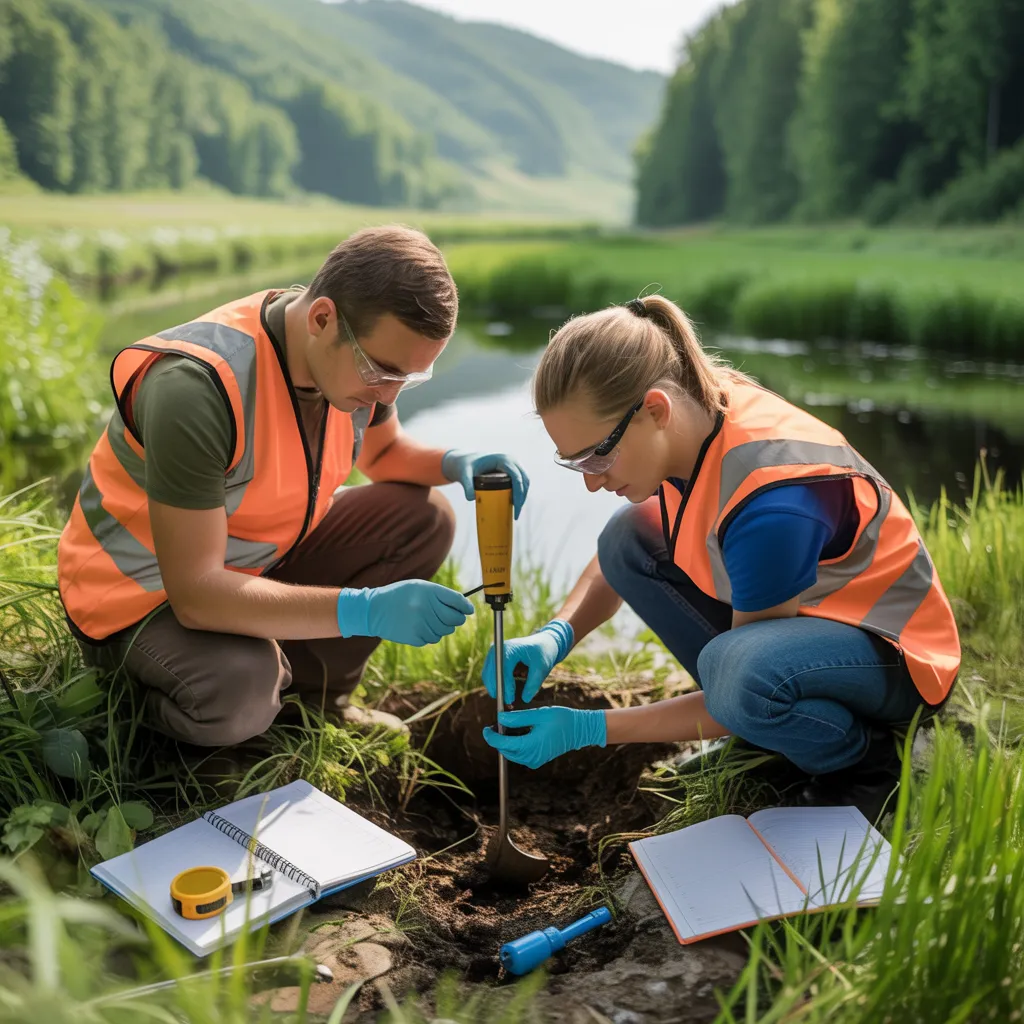
Grasping Environmental Professional Services and Its Positive Outcomes
Recognizing environmental consulting is necessary for businesses attempting to introduce environmentally sound practices. This branch involves expert direction on ecological policy requirements, sustainability frameworks, and resource management. Environmental consultants scrutinize a entity's undertakings to spot betterment possibilities, ensuring compliance with environmental laws and limiting ecological damage.
The benefits of hiring environmental consultants are substantial. They offer customized solutions that enhance operational productivity, reduce waste, and lower costs tied to resource consumption. By evaluating potential environmental risks, consultants support businesses mitigate liabilities and improve public reputation. Additionally, the integration of sustainable practices often produces innovation and competitive advantage in the marketplace.
During the long term, engaging with environmental consultants establishes a sustainable workplace culture within organizations, urging employees to incorporate environmentally sustainable behaviors. Through their competence, businesses not only play a role in environmental preservation but also assert themselves as leaders in social responsibility, winning over increasingly eco-conscious consumers.
Determining Your Environmental Footprint
Assessing a company's environmental footprint entails identifying key impact areas and measuring resource consumption rates. By reviewing these factors, companies can determine where improvements are necessary. This method not only fosters sustainability but also enhances workplace productivity.
Identifying Primary Influence Zones
Many businesses ignore the critical importance of recognizing key impact areas when evaluating their ecological impact. By determining particular elements of their activities that lead to environmental degradation, organizations can create targeted strategies for improvement. These impact areas often include energy consumption, waste generation, water use, and emissions. Comprehending these elements allows enterprises to rank measures that yield the most significant environmental benefits. In addition, engaging stakeholders in this identification process cultivates a sustainable culture within the organization. By recognizing and tackling these key critical zones, businesses position themselves to improve their overall sustainability, lower expenses, and meet regulatory requirements. This proactive approach ultimately supports long-term environmental and financial sustainability.
Assessing Resource Consumption Rates
Once primary focus areas are identified, the next step includes calculating resource consumption rates to assess the company's ecological impact. This procedure demands an organized method to gather data on power, liquid, and material consumption across all operations. Employing instruments like energy audits, liquid evaluations, and material tracking analysis can provide insights into consumption patterns. Companies should also think about creating standards to measure against industry standards or past performance. By analyzing these measurements, enterprises can pinpoint inefficiencies and opportunities for reduction. Precise tracking not only helps in adherence with ecological laws but also improves company environmental initiatives. This data-driven approach is crucial for choosing wisely that align with long-term environmental goals.
Central Regions for Responsible Commercial Strategies
Additionally, businesses can commit resources to renewable energy options, such as solar or wind, to lower dependence on fossil fuels. Worker participation in green efforts builds a commitment to accountability, encouraging inventive solutions and pledge to green operations. Ultimately, candid communication regarding environmental goals and results enhances trust with investors and reveals commitment to accountability. Through merging these essential elements, organizations contribute significantly in environmental stewardship while also cementing themselves as frontrunners in corporate ethics, engaging environmentally mindful consumers.
Finding the Perfect Eco Specialist for You
Choosing an eco-friendly advisor demands a thorough comprehension of a business's specific needs and goals. Assessing these requirements enables companies to align with experts who have the applicable knowledge and background. This strategic approach guarantees that organizations select carefully for environmentally responsible options.
Analyzing Your Enterprise Demands
When businesses recognize the importance of green practices, they often grapple with the obstacle of discovering the right ecological advisor to address their specific needs. This journey launches with a thorough assessment of the organization's environmental goals, regulatory requirements, and existing practices. Entities should factor in their industry context, extent of operations, and unique difficulties, like refuse handling or operational efficiency. Engaging various stakeholders within the organization can supply valuable insights into the priorities and stakeholder expectations of the consulting engagement. Equally important, it is vital to define the service portfolio sought, including but not limited to compliance, strategy development, or training. By specifically stating these concerns, businesses can accelerate the procurement process and assure a more productive collaboration with their chosen consultant.
Reviewing Consultant Capabilities
How can businesses ensure they select the right sustainability advisor? Evaluating consultant expertise requires several important considerations. First, organizations should evaluate the consultant's credentials, encompassing pertinent certifications, education, and experience in specific environmental fields. Next, reviewing previous projects and customer testimonials offers insight into the consultant's effectiveness and dependability. Additionally, understanding their strategy to environmental responsibility—whether they emphasize innovative solutions or regulatory adherence—is vital. interpersonal abilities also serve a important part; a consultant must effectively communicate complex details to different stakeholders. Ultimately, take into account the consultant's dedication to continuous learning and staying updated on environmental requirements and technologies. Through systematically examining these aspects, businesses can make informed decisions and pick a consultant best suited to their unique requirements.
Create Your Custom Sustainability Approach
A carefully planned sustainability approach has the ability to greatly strengthen a corporate environmental impact and functional efficiency. This step commences with a rigorous assessment of the organization's current operations, identifying segments where optimizations can be made. Crucial stakeholders should be consulted in this evaluation to ensure multiple perspectives are considered.
Next, specific, measurable goals must be established. These goals should correspond with the broader objectives of the organization while addressing environmental concerns such as minimizing waste, operational efficiency, and sustainable resource management.
Moreover, it is vital to implement modern strategies created to address the specific difficulties of the industry. Working with seasoned environmental experts can supply beneficial guidance into best practices and new technological advances.
In conclusion, a structured communication framework can promote a culture focused on sustainability within the organization, confirming that all employees grasp their functions in reaching these goals. This all-encompassing method ultimately establishes the business as a leader in environmental responsibility.
Establishing Sustainable Approaches Effectively
Effective execution of eco-friendly initiatives demands a deliberate strategy that prioritizes clear direction and intent. Businesses must first create defined goals, pinpointing concrete environmental targets aligned with their overall mission. This involves involving stakeholders, including employees and suppliers, to cultivate a culture of sustainability throughout the organization.
Next, organizations should allocate resources effectively, ensuring that the required instruction, equipment, and digital solutions are in place to promote sustainable practices. Consistent interaction is critical, as it maintains all stakeholders informed and engaged.
Additionally, integrating sustainability into existing processes can enhance efficiency and minimize opposition to transformation. By testing programs, businesses can evaluate viability and make adjustments before full-scale implementation.
In the end, a passionate executive group, integrated with open procedures and persistent participation, can considerably strengthen the effectiveness of green practices, producing long-term benefits for both the organization and the environment.
Assessing Your Sustainability Results
What techniques can enterprises apply to measure their environmental responsibility progress effectively? Companies can implement a variety of resources and indicators to measure their environmental impact and advancements. One common approach is the adoption of key performance indicators that center on power consumption, waste reduction, and CO2 output. By creating well-defined targets, businesses can determine their improvements over time.
Moreover, software solutions that monitor consumption of resources and emissions can furnish real-time intelligence, promoting wiser decision-making. Ongoing compliance audits remain crucial, enabling businesses to spot areas for enhancement and verify alignment with green standards.
Bringing stakeholders within surveys and feedback mechanisms can notably advance the measurement framework, encouraging a culture of accountability and continuous improvement. Finally, a comprehensive strategy to tracking sustainability progress allows businesses to make informed adjustments and reveal their devotion to green practices.
Frequently Posed Questions
How Much Does Environmental Consulting Typically Cost for Companies?
Consulting costs for environmental services provided to organizations typically range between $100 to $300 per hour, determined by the firm's knowledge and complexity. Fixed fees for engagements can also be offered, varying according to the particular services and duration.
Which Qualifications Ought to I Seek out in an Environmental Consultant?
In choosing an environmental consultant, prospective clients should seek certifications such as Certified Environmental Professional (CEP), ISO content 14001, or LEED accreditation, as these reveal expertise and dedication to eco-conscious practices within environmental management.
Are Small Enterprises Capable of Profiting From Environmental Consulting Services?
Yes, small companies can significantly benefit from environmental consulting services. These professional offerings help streamline resource utilization, cut down on waste, bolster regulatory compliance with legal requirements, and enhance sustainability efforts, eventually providing reduced expenses and a stronger public image.
How Regularly Should I Modify My Green Strategy?
Refreshing a corporate environmental approach should be executed annually or biannually, guided by sectoral developments and organizational growth. Periodic assessments guarantee alignment with new compliance frameworks, stakeholder expectations, and cutting-edge solutions, advancing ongoing enhancement and superior environmental performance.
What Sectors Benefit Most From Environmental Advisory Services?
Industries like manufacturing, construction, energy, and agriculture profit greatly from environmental advisory services. These sectors commonly experience regulatory hurdles, resource allocation problems, and green targets that need skilled direction to enhance their environmental standards and legal compliance.